Heating, ventilation, and air conditioning (HVAC) system design projects are often highly complex, involving multiple disciplines such as mechanical, electrical, and structural engineering. Traditional project management approaches like the Waterfall model tend to struggle with the evolving nature of HVAC projects due to:
- Changes in building design and specifications.
- Shifting regulatory requirements.
- Unexpected on-site challenges during installation.
- Tight deadlines and cost constraints.
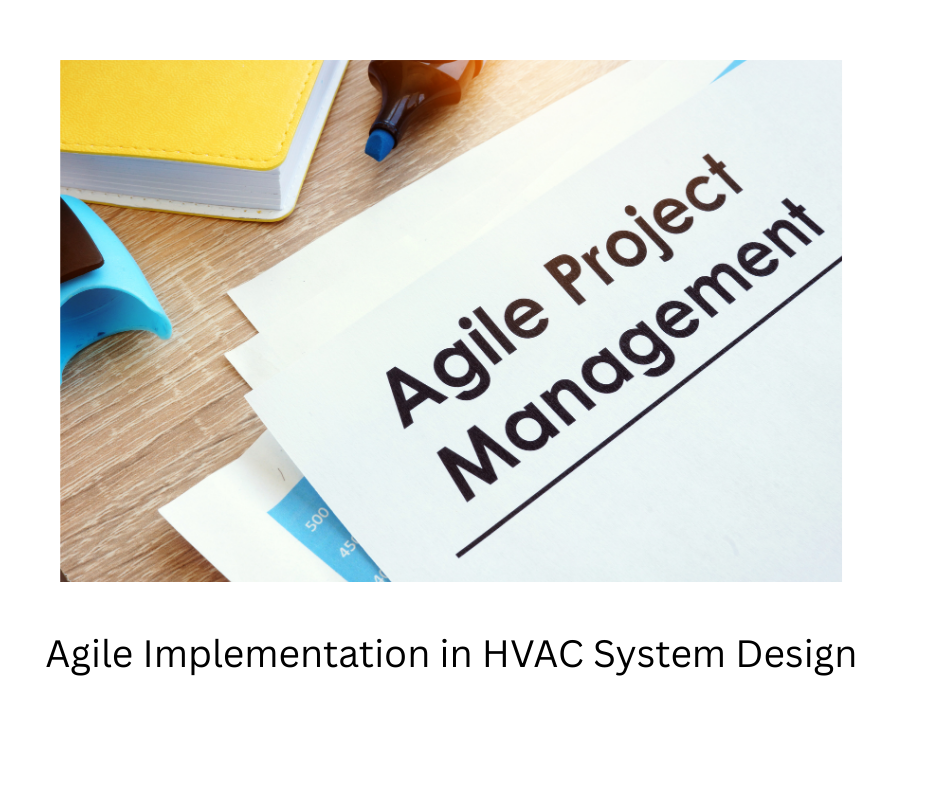
Implementing an Agile project management approach in HVAC system design can enhance flexibility, improve stakeholder communication, and accelerate project completion while ensuring high performance and regulatory compliance. This guide explores how Agile principles can be applied to HVAC system design and the key benefits of this approach.
Why Agile for HVAC System Design?
HVAC projects are inherently complex due to the need to balance air quality, temperature control, energy efficiency, and regulatory compliance. Agile’s iterative and collaborative approach allows for continuous adjustments and improvements without causing major disruptions to project timelines or budgets.
Adaptability to Changing Requirements
- Building designs often change midway through a project.
- Agile allows real-time adjustments to HVAC design and implementation.
Enhanced Cross-Functional Collaboration
- Mechanical, electrical, and structural engineers work closely together.
- Agile promotes daily stand-ups and shared responsibility.
Incremental Delivery
- Break down HVAC system components into smaller deliverables.
- Test and install components incrementally.
Early Issue Detection and Resolution
- Continuous feedback from site engineers and stakeholders.
- Fast detection of design flaws and quick correction.
Challenges in Traditional HVAC Project Management
Challenge | Impact |
Design Changes After Installation | Leads to costly rework and project delays. |
Poor Stakeholder Communication | Misalignment between designers, contractors, and clients. |
Regulatory Compliance Failures | Non-compliance results in penalties and redesign. |
Poor Integration of Components | HVAC systems underperform due to design mismatches. |
Lack of Flexibility | Rigid project plans fail to accommodate site changes. |
How to Implement Agile in HVAC System Design
1. Establish a Cross-Functional Agile Team
Include key stakeholders and team members:
- Mechanical Engineers – Responsible for HVAC design and performance.
- Electrical Engineers – Ensure proper integration of electrical systems.
- Construction Managers – Oversee on-site execution and adjustments.
- Building Owners/Operators – Provide input on operational expectations.
Team Size: Keep the team size between 5–9 members to maintain agility.
2. Define the Project Scope and Backlog
Break down the HVAC project into manageable components such as:
- Air Handling Units (AHUs)
- Ductwork
- Dampers and Louvers
- Fans (induced draft, forced draft)
- Filtration Systems
- Controls and Automation
- Create a backlog of deliverables and prioritize based on:
- Client requirements
- Regulatory needs
- Energy efficiency goals
- Budget and timeline
3. Sprint Planning and Execution
- Use 2–4 week sprints to design, test, and install HVAC components.
- Focus each sprint on a specific deliverable:
- Sprint 1 → AHU and duct design
- Sprint 2 → Installation of ducts and dampers
- Sprint 3 → Fan and filter integration
- Sprint 4 → Performance testing and calibration
Example Sprint Goal:
Design and install ductwork for Zone A in 2 weeks.
- Daily Stand-Up Meetings
Hold 15-minute daily stand-ups to:
 Discuss progress and blockers.
Align team efforts.
Identify cross-functional challenges.
5. Incremental Testing and Commissioning
Conduct performance tests at the end of each sprint:
- Airflow rates
- Pressure drops
- Filtration efficiency
- Noise levels
- Address issues immediately rather than waiting until project completion.
6. Continuous Stakeholder Feedback
- Conduct bi-weekly review meetings with clients and stakeholders.
- Use feedback to adjust future sprints and backlog priorities.
- Capture lessons learned and apply them to future sprints.
7. Use Kanban for Visual Workflow
- Create a Kanban board to visualize progress:
Backlog | In Progress | Testing | Completed |
Fan design | AHU installation | Airflow testing | Duct installation |
Louver procurement | Duct sealing | Noise level testing | Filtration system |
- Identify and eliminate bottlenecks quickly.
8. Regulatory and Compliance Integration
- Include regulatory checkpoints at the end of each sprint.
- Ensure compliance with:
- ASHRAE standards
- OSHA safety regulations
- Energy efficiency codes
- Indoor air quality (IAQ) guidelines
Agile Tools for HVAC Project Management
Tool | Purpose | Example |
JIRA | Sprint planning and backlog management | Track design and installation sprints |
Trello | Kanban-based task management | Monitor duct installation and testing |
Slack | Team communication | Daily updates and quick problem-solving |
AutoCAD/Revit | Design and modeling | Real-time design adjustments |
Monday.com | Project tracking and reporting | Monitor performance vs. timeline |
Best Practices for Agile HVAC Project Management
Start small – Test Agile on a small HVAC project first.
Empower teams – Let cross-functional teams make decisions.
Focus on value – Prioritize high-impact deliverables.
Use a hybrid approach – Combine Agile with Waterfall where needed.
Automate testing – Use sensors and IoT to automate system testing.
Improve continuously – Hold retrospective meetings after each sprint.
Challenges and Solutions
Challenge | Solution |
Regulatory Compliance | Include compliance checks in each sprint. |
Complex Stakeholder Structure | Assign a product owner to manage communication. |
Budget Constraints | Focus on value-driven backlog items first. |
Resistance to Change | Start with a small project and demonstrate success. |
Unexpected Design Changes | Build flexibility into design sprints. |
Conclusion
Agile project management provides a flexible, iterative framework that aligns well with the complex and dynamic nature of HVAC system design. By breaking down projects into manageable sprints, encouraging cross-functional collaboration, and integrating real-time stakeholder feedback, HVAC teams can deliver higher-quality systems faster and with greater efficiency.
Agile allows HVAC designers to adapt to changing requirements, ensure regulatory compliance, and optimize performance all while keeping costs and timelines under control.