When the Air Turns Unsafe? A Simple Look at AQI
Air pollution is something that most of us encounter and experience every day. Smog in the sky. Dust on machines. A burning smell near roads or factories. Over time, this polluted air affects our health, our work, and the places we live.
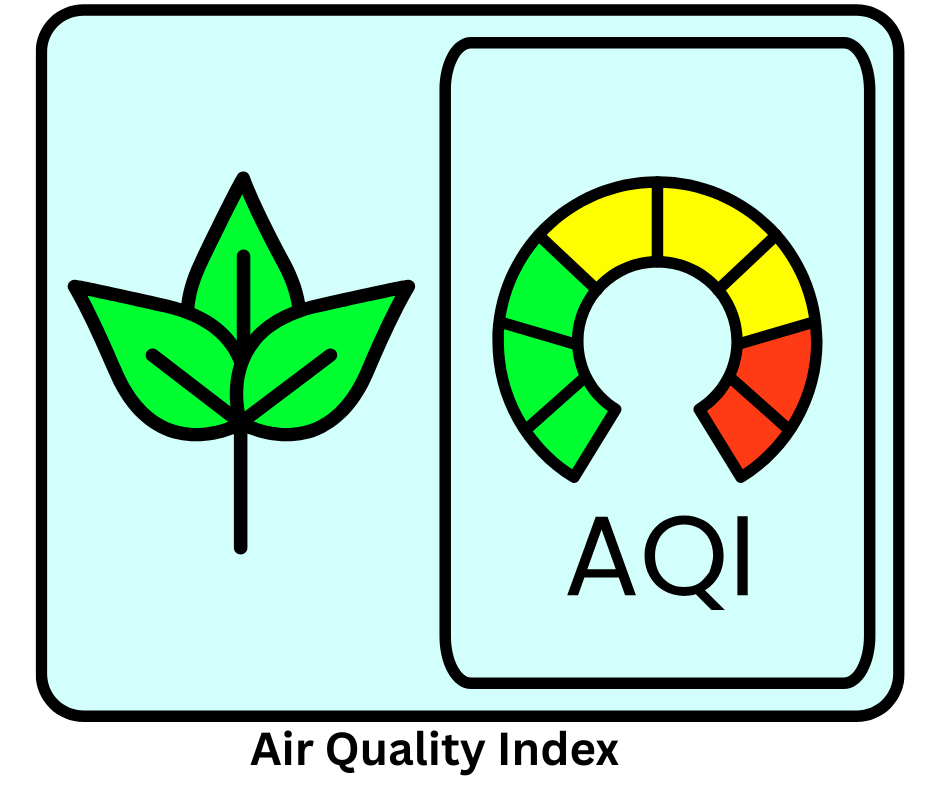
The Air Quality Index, or AQI, helps us understand how clean or dirty the air really is. It turns complex pollution data into simple numbers that anyone can follow.
As cities grow and industries expand, keeping track of air quality has become more important than ever.
What Is AQI?
AQI is a number used to show how safe or unsafe the air is to breathe. A low AQI means the air is clean, A high AQI means the air is polluted and can cause health problems.
Governments and health agencies use AQI to warn people when air quality gets bad. Industries can also use it to check how their operations affect the air inside and outside their plants.
Pollutants That Affect AQI
AQI is based on six main pollutants. Many of them come directly from industrial activity.
Particulate Matter (PM10 and PM2.5)
Particulate matter is made of tiny solid or liquid particles floating in the air.
PM10 includes dust from construction, mining, and material handling.
PM2.5 is much finer. It comes from burning fuel in boilers, furnaces, engines, and power plants.
PM2.5 is the most harmful. These particles are so small that they can reach deep into the lungs and even enter the bloodstream.
Common sources include Cement plants and steel plants, grinding, crushing, and conveying systems, Vehicle exhaust, Construction and crop burning.
2. Ground-Level Ozone (O3)
Ground-level ozone forms when sunlight reacts with gases like nitrogen oxides and VOCs.This kind of ozone is not helpful. It irritates the lungs and makes breathing harder. Common Sources are Vehicle emissions, Power plants, and industrial boilers
3. Carbon Monoxide (CO)
Carbon monoxide is a gas you cannot see or smell. It comes from the incomplete burning of fuel. At high levels, it reduces oxygen in the blood and can be life-threatening. Common sources include industrial combustion systems, Diesel generators, Vehicles, and biomass burning.
4 . Sulfur Dioxide (SO2)
Sulfur dioxide is released when coal or oil is burned.It causes breathing problems and also leads to acid rain. The most common sources are Coal-fired power plants,
Refineries and metal processing units
5. Nitrogen Dioxide (NO2)
Nitrogen dioxide forms during high-temperature combustion.It helps create smog and fine dust in the air. Common sources are Industrial boilers, Power generation, and vehicles.
6. Lead (Pb)
Lead pollution has reduced over the years, but has not disappeared. Common Sources are Metal processing industries, Battery manufacturing industries and Waste burning.
Lead is especially dangerous for children and can affect brain development.
AQI Levels and What They Mean
AQI Range | Air Quality | What It Means |
0–50 | Good | Air is clean |
51–100 | Moderate | Mostly safe |
101–150 | Unhealthy for sensitive people | Breathing discomfort |
151–200 | Unhealthy | Health problems possible |
201–300 | Very unhealthy | Serious health risk |
301+ | Hazardous | Emergency conditions |
The Global Air Quality Problem
Air pollution is not a small issue. Almost everyone in the world lives in areas where air pollution is above safe limits. Every year, millions of deaths are linked to dirty air. People working in factories and plants often face higher exposure, especially when dust control and ventilation are weak.
Industries like cement, steel, mining, power, and manufacturing release large amounts of pollution if not properly controlled. Common problems include:
- High dust levels near machines
- Poor airflow in work areas
- Old or undersized filtration systems
In many plants, indoor air can be worse than outdoor air.
How Industries Can Improve Air Quality
1. Proper Ventilation-Good ventilation removes polluted air and brings in fresh air. It also keeps workers safer and machines cleaner.
2. Better Dust Collection-Dust collectors like baghouses and cartridge filters can capture most fine dust before it spreads.
3. Cleaner Energy Use-Switching to cleaner fuels reduces harmful gases like sulfur dioxide and nitrogen dioxide.
4. Using Waste Heat Wisely- Recovering waste heat improves energy use and lowers overall emissions.
This is especially important for energy-heavy operations like data centers, where cooling and airflow matter a lot.
Final Thoughts.
The Air Quality Index helps us see the problem clearly, but real change comes from action. Industries that invest in better filtration, ventilation, and energy use protect their workers and reduce their impact on the environment. Better air leads to healthier people, safer plants, and a better future for everyone.