Integrated Ventilation and Safety System Design for Chemical Plants
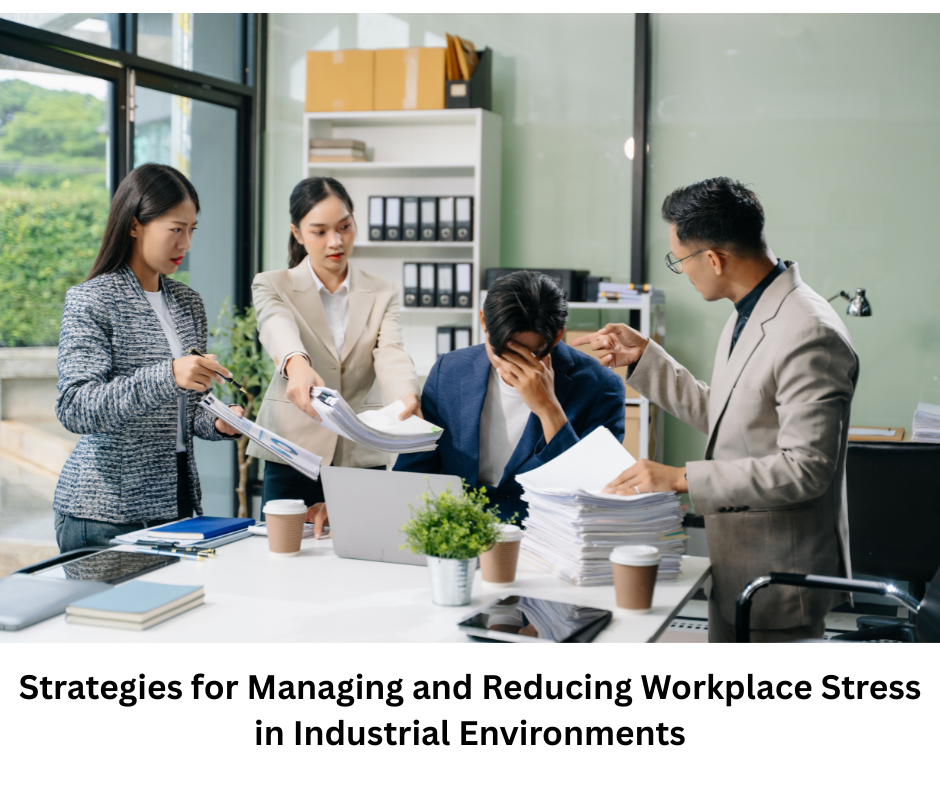
Industrial workplaces are built on discipline, precision, and performance, but behind every machine, shift schedule, and production target are people. Long hours, high noise levels, safety-critical tasks, and constant pressure to meet deadlines can quietly take a toll on employees. Over time, unmanaged stress doesn’t just affect morale; it shows up as fatigue, mistakes, absenteeism, and even safety incidents.
Creating a healthier industrial workplace isn’t about lowering standards; it’s about supporting the people who keep operations running. Below are practical, human-centered strategies to help reduce workplace stress while maintaining productivity and safety.
1. Build a Strong, Trust-Based Safety Culture
When employees feel safe, stress naturally reduces.
Make safety training meaningful: Regular safety sessions shouldn’t feel like a checkbox activity. Use real incidents, hands-on demonstrations, and open discussions so employees understand why procedures matter—not just what they are.
Encourage honest communication: Workers should feel comfortable speaking up about hazards, near-misses, or unsafe conditions without fear of blame. A culture of silence only increases anxiety and risk.
Involve employees in safety decisions: Safety committees that include shop-floor workers create a sense of ownership. When people help shape safety practices, they feel more in control and less stressed.
2. Manage Workloads with Real-World Conditions in Mind
Unrealistic expectations are one of the biggest stress drivers in industrial settings.
Set achievable targets: Production goals should reflect actual manpower, machine capacity, and maintenance realities. Constant firefighting creates burnout.
Rotate tasks where possible: Repetitive work—both physical and mental can wear people down. Task rotation helps reduce fatigue and keeps employees engaged.
Protect break times: Breaks are not lost productivity—they’re essential for focus, alertness, and injury prevention, especially in high-risk environments.
3. Support Employee Well-Being Beyond the Shop Floor
Stress doesn’t end when a shift does.
Provide mental health support: Access to counseling services or Employee Assistance Programs (EAPs) can be a lifeline for employees dealing with pressure, personal challenges, or burnout.
Respect work-life balance: Avoid making overtime the norm. When flexibility is possible, it sends a clear message that employees are valued as people, not just resources.
Promote healthier habits: Simple initiatives—clean drinking water, healthier food options, or wellness awareness programs—can make a real difference over time.
4. Invest in Training and Skill Confidence
Uncertainty creates stress. Confidence reduces it.
Focus on continuous learning: When employees feel capable and well-trained, they’re less anxious about making mistakes or handling new responsibilities.
Cross-train teams: Cross-training not only builds resilience during absences or peak loads but also reduces stress by preventing individuals from feeling irreplaceable or overwhelmed.
5. Address Conflicts Early and Strengthen Team Bonds
Tension between people can be just as stressful as physical hazards.
Train teams in conflict resolution: Small disagreements, if ignored, can escalate and affect the entire work environment. Giving employees tools to resolve issues respectfully goes a long way.
Encourage team connection: Team-building doesn’t have to be elaborate. Even small efforts shared safety discussions, recognition moments, or informal gatherings, help build trust and camaraderie.
6. Design Workspaces That Support the Human Body
Physical strain and stress are closely linked.
Use ergonomic equipment: Proper workstations, lifting aids, and tool design reduce fatigue and long-term injuries.
Review ergonomics regularly: As processes change, so do risks. Periodic ergonomic assessments help catch issues before they turn into chronic problems.
7. Listen, Measure, and Act on Feedback
Employees often know what’s causing stress—if we’re willing to listen.
Conduct anonymous surveys: Simple check-ins can reveal workload issues, safety concerns, or morale challenges that may not surface otherwise.
Train supervisors to spot warning signs: Frontline leaders play a critical role. Teaching them to recognize fatigue, disengagement, or behavioral changes enables early support rather than reactive discipline.
A Final Thought
Managing workplace stress in industrial environments isn’t a one-time initiative—it’s an ongoing commitment. When organizations prioritize safety, realistic workloads, open communication, and employee well-being, the results are tangible: fewer incidents, better retention, higher morale, and stronger performance.
At the end of the day, a safer, calmer workplace isn’t just good for employees it’s good for the business. When people feel supported, they show up more focused, engaged, and ready to do their best work.