Why Did Netflix Just Buy an Old Army Base in New Jersey?
Coming from a marketing background with interest in creative media, I am pleasantly intrigued by the Netflix 900 million plan to transform a former U.S. Army base in New Jersey into one of the largest film studios in America. IT is in fact a masterclass in strategy, economics, and vision, reflecting how modern industries can repurpose infrastructure for the future growth.
The Deal at a Glance
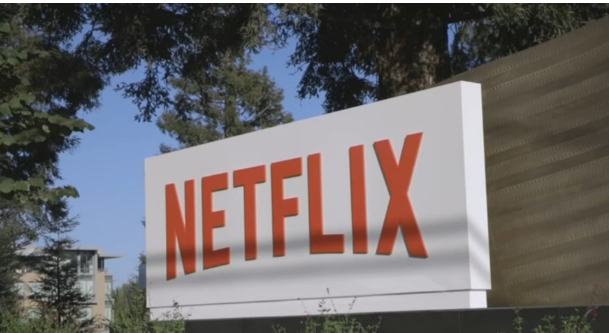
Netflix purchased Fort Monmouth, a 292-acre decommissioned U.S. Army base in Monmouth County, New Jersey, and plans to build 12 soundstages, post-production facilities and media houses.
The total investment exceeding $900 million, positions it as one of the most significant film infrastructure projects on the U.S. East Coast. This studio is also expected to create over 3,500 construction jobs, generating long-term economic impact.
Why New Jersey and Why Now?
1. Strategic Location
Fort Monmouth being just 50 miles from New York City, one of the world’s biggest creative and business hubs means quick access to talent, tech, and transport without paying Manhattan’s price tag. It also gets the logistics and flexibility of the location to make it an unbeatable choice.
2. Tax Incentives That Make Headlines
New Jersey’s Film & Digital Media Tax Credit Program is among the most generous in the country:
- Up to 35–40% tax credit on qualified production expenses
- $400 million annual credit pool
- Extra incentives for diversity hiring and large studio development
For Netflix, that translates into massive operational savings without compromising quality, giving a long-term competitive edge in an industry.
3. Repurposing with Purpose
The brilliance of buying an old army base lies in repurposing existing land and infrastructure.
Fort Monmouth already has:
- Road networks and utilities
- Large open spaces ideal for studios and sets
- Secure, government-approved zoning for industrial redevelopment
Instead of starting from scratch, Netflix is revitalizing a brownfield site, turning a once-dormant property into a vibrant creative hub
4. Owning the Production Chain
The streaming era has made content ownership and control more important than ever.
By building its own production campus, Netflix reduces dependence on third-party studios, avoids scheduling conflicts, and gains total control over creative logistics from script to screen. It’s a strategic move similar to manufacturers owning their supply chain ensuring speed, quality, and flexibility.
5. Competing on Both Coasts
Historically, the film industry revolved around California. However, high costs, congestion, and limited incentives have prompted many productions to relocate eastward to states like Georgia, Louisiana, and New Jersey. New Jersey, in particular, combines:
- Hollywood-grade talent pipelines from New York
- Attractive real estate costs
- A supportive state government eager to attract the creative economy
What It Means for the Broader Economy
Netflix’s move is more of an economic signal as the project:
- Stimulates local construction and service industries
- Attracts allied businesses (lighting, set design, catering, logistics, HVAC, etc.)
- Establishes New Jersey as a long-term film and media hub
With the ripple effect extending beyond entertainment, and reshaping regional development, job creation, and even small business ecosystems.
It’s a reminder that strategy isn’t about starting from scratch, it’s about seeing potential where others see abandonment. Whether it’s an old plant, a military site, or a forgotten idea, leadership is about turning underused assets into engines of growth.
And that’s a story every modern project manager can take inspiration from.