What a Day at the Port Taught Me About Project Management
Some days teach you lessons you never expected to learn.
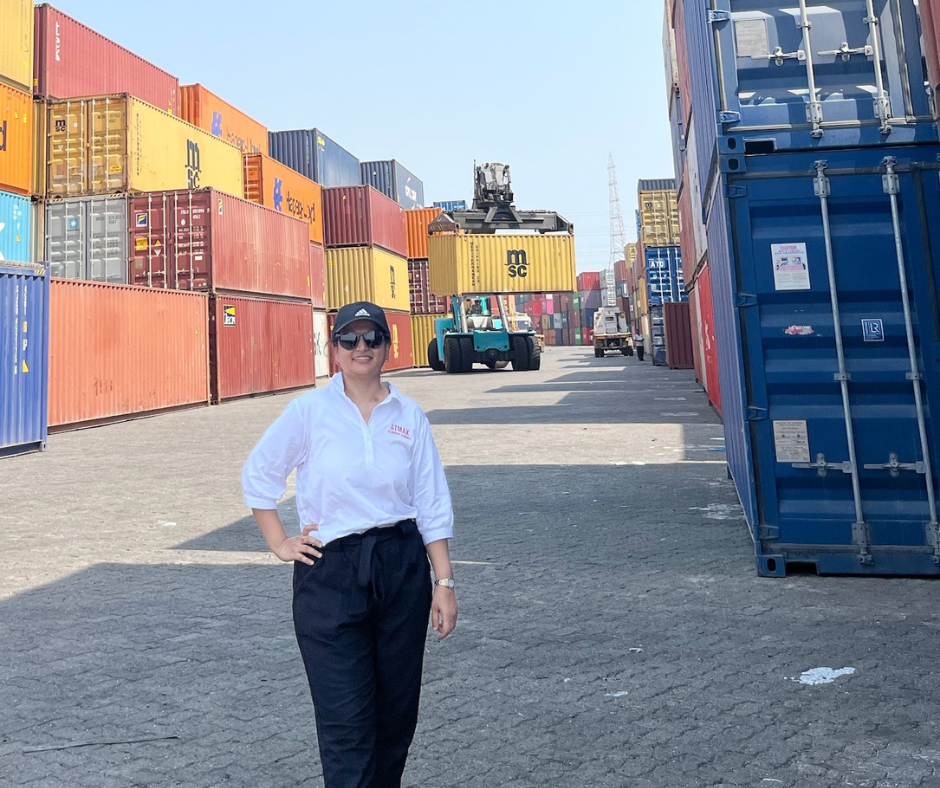
A few days ago, I was at the shipping port with our CHA team, supervising the container stuffing and loading for one of our Thermal Fluid Heater projects. I went there thinking I was overseeing another important milestone before dispatch.
Instead, I came back with a completely different perspective.
Watching the port in action was fascinating. At first glance, it looked like containers being lifted from one place to another. But the longer I stood there, the more I realized I was watching one of the most well-coordinated operations I’ve ever seen.
There were port authorities, terminal operators, customs officials, crane operators, truck drivers, logistics teams, inspectors, and people constantly communicating over the radio. Every movement was planned. Every instruction mattered. Every delay had the potential to affect someone else’s schedule.
It made me smile because, for a moment, I thought my job suddenly didn’t seem as complicated anymore.
A Different Kind of Project Site
As project managers, we’re used to coordinating vendors, reviewing drawings, tracking procurement schedules, resolving site issues, and ensuring that every stakeholder stays aligned.
It’s challenging.
But a commercial port operates on an entirely different scale.
Every container arriving at the terminal has its own schedule, destination, documentation, customs requirements, loading sequence, transportation plan, and vessel deadline.
Nothing happens randomly.
Every movement is planned.
Every delay affects someone else’s timeline.
And every person on the ground plays a role in keeping global trade moving.
Watching this unfold was like seeing one of the world’s largest live project plans in action.
As project managers, we often look for lessons in books, certifications, and leadership workshops. But sometimes, the best lessons come from simply observing how other industries operate.
Project Management at Its Purest
Watching the port felt like watching project management stripped down to its fundamentals.
Everything depended on the principles we often discuss in boardrooms:
- Planning
- Sequencing
- Communication
- Risk management
- Resource allocation
- Documentation
- Safety
- Timing
- Accountability
The difference?
At the port, there is almost no room for error.
One misplaced container.
One missing document.
One delayed truck.
One communication gap.
The ripple effect can impact shipping schedules, production plans, customer deliveries, and even international supply chains.
That’s project management in its purest form.
Lessons Every Project Manager Can Learn from a Port
Watching port operations offered lessons that apply far beyond logistics.
1. Great systems depend on disciplined processes.
Complexity becomes manageable when every stakeholder understands their role.
2. Communication is infrastructure.
From radio instructions to digital documentation, information flow is just as important as physical movement.
3. Small delays create large consequences.
Minor oversights can quickly cascade into missed deadlines, increased costs, and customer dissatisfaction.
4. Coordination beats individual brilliance.
No single person makes a port successful. Its strength lies in thousands of people working as one connected system.
5. The best operations often go unnoticed.
When everything works smoothly, nobody notices. That, perhaps, is the highest compliment for any project team.
That day at the port reminded me that great projects aren’t built by one person. They’re built by hundreds of people doing their part with discipline, coordination, and accountability.
And perhaps that’s what project management is really about, not controlling every detail, but creating an environment where every moving part works together seamlessly.
It’s a lesson I’ll carry with me long after this shipment reaches its destination.